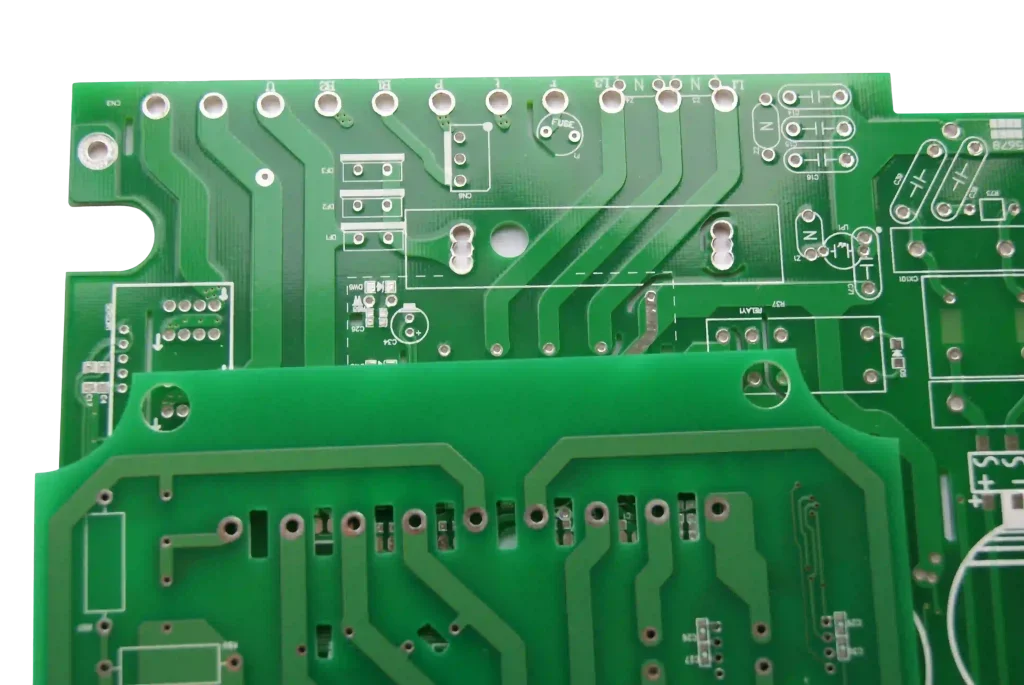
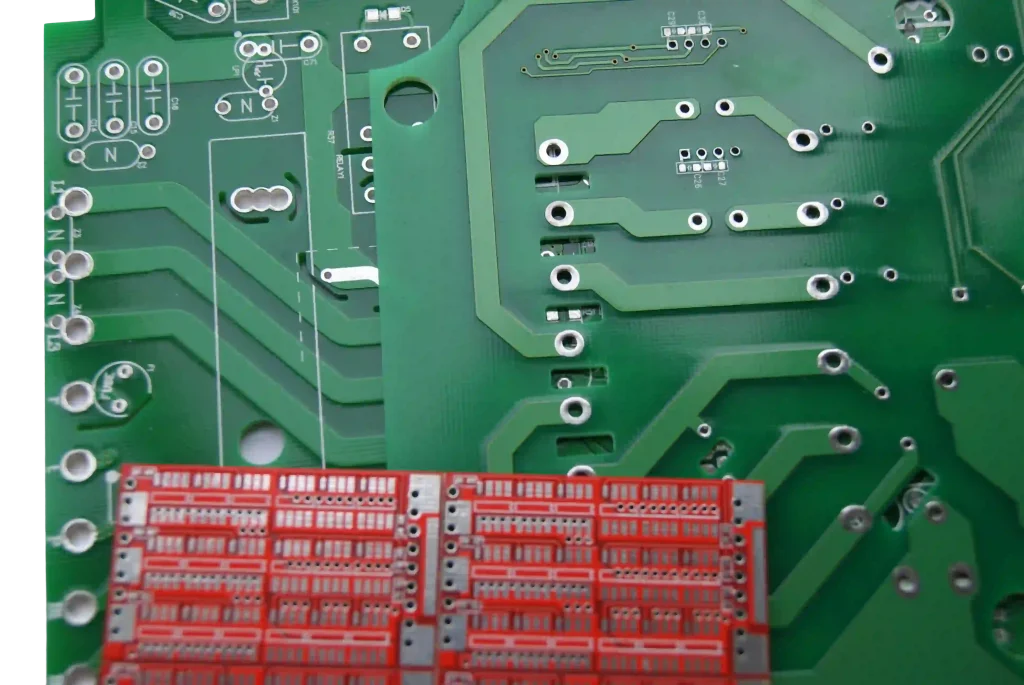
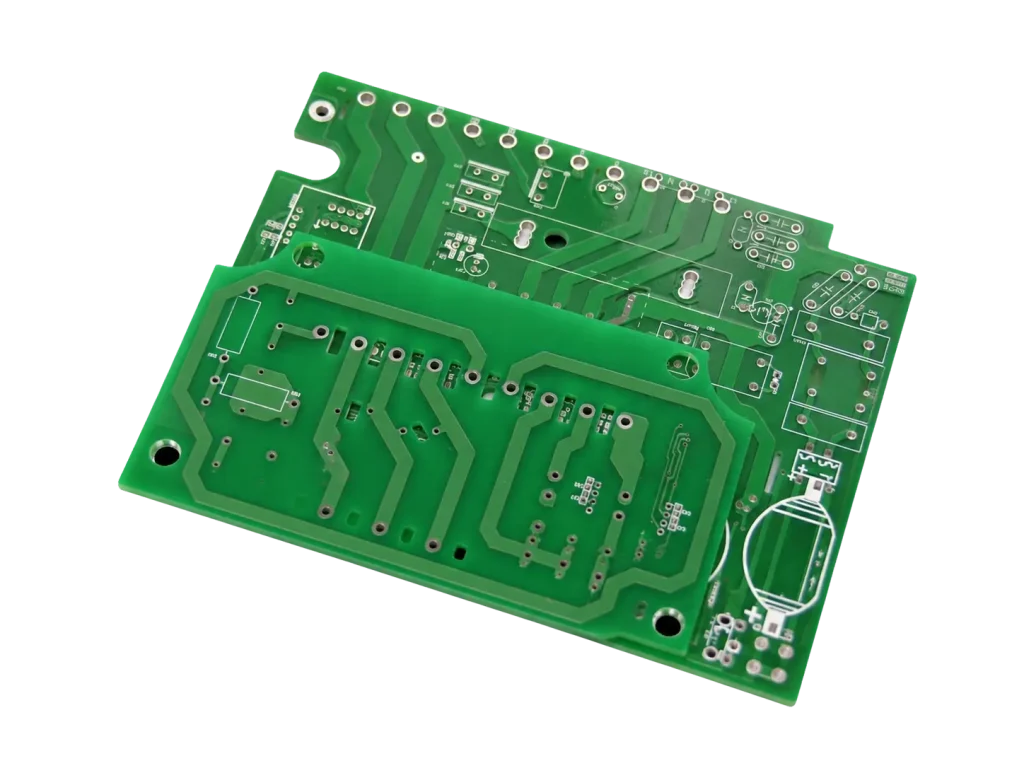
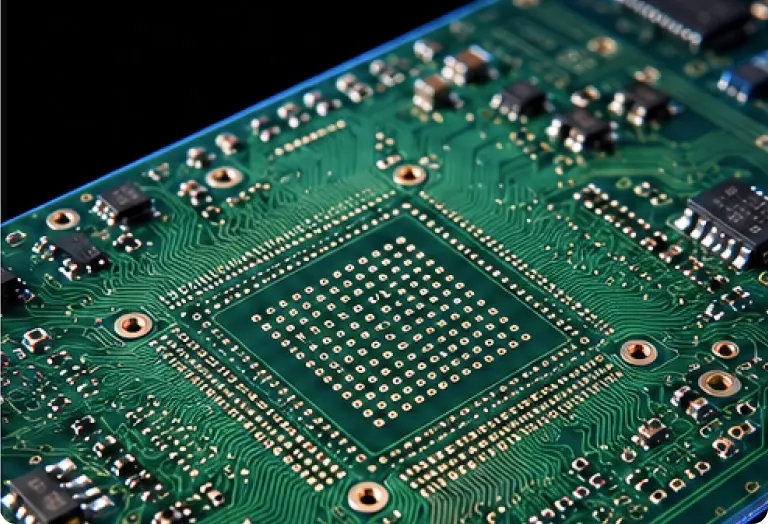
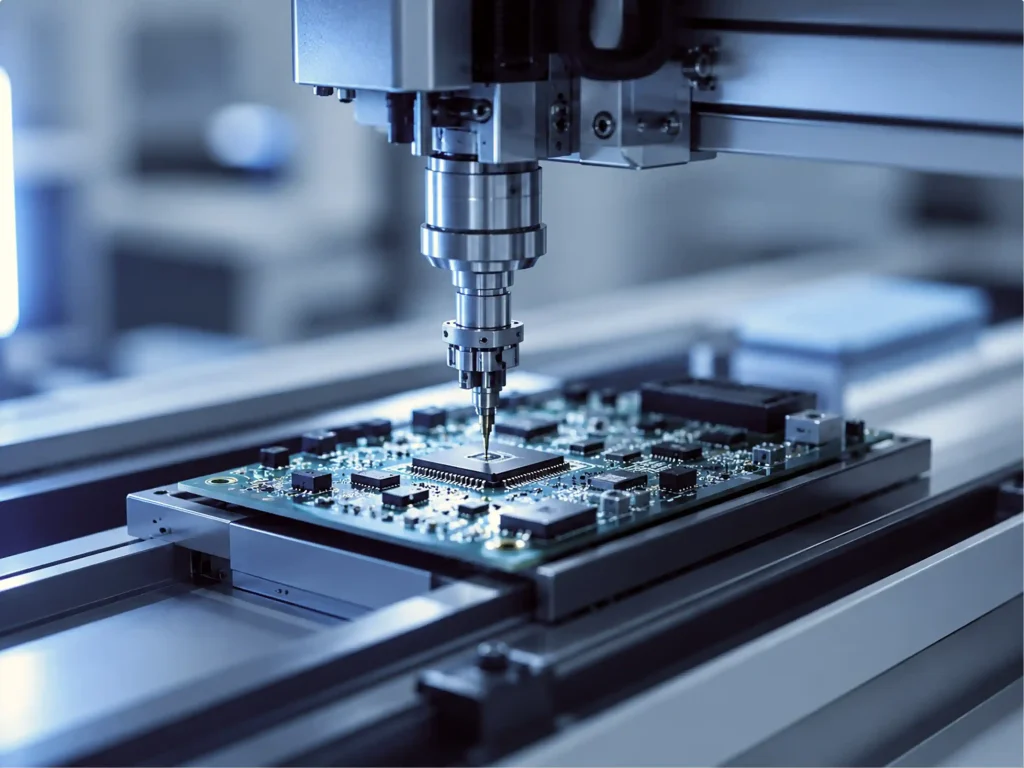
Leading Heavy Copper PCB Precision Manufacturing delivers superior current-carrying capability, excellent thermal management, and reliable performance for power electronics, industrial control, and high-current applications.
Heavy Copper PCB Manufacturing Advantage provides enhanced current capacity, superior heat dissipation, and robust structural reliability for demanding power, automotive, and industrial applications.
In-house Integration
In-house Integration enables complete control of heavy copper PCB fabrication, ensuring process consistency, faster turnaround, and reliable quality for high-current and power applications.
Complete in-house production
Faster order turnaround
Stable process consistency
Enhanced quality control
Reliable delivery capability
Advanced Equipment
Advanced Equipment supports precise heavy copper processing, ensuring consistent copper thickness, reliable plating quality, and stable production capability for high-current PCB applications.
Precision copper processing
Stable plating capability
High-current PCB expertise
Consistent production quality
Advanced manufacturing systems
High-Mix, Low-Volume
High-Mix, Low-Volume production supports diverse heavy copper PCB requirements with flexible scheduling, rapid response, and reliable quality for prototype and specialized applications.
Flexible production scheduling
Rapid prototype support
Small-batch manufacturing
Diverse product capability
Reliable delivery performance
Production Excellence
Advanced Heavy Copper PCB Production Excellence
Advanced Heavy Copper PCB Production Excellence delivers precise thick copper processing, superior thermal performance, and stable fabrication capability for demanding high-current and power applications.
Resin Flow Control during Lamination
Resin Flow Control during Lamination ensures uniform bonding and reliable layer integrity in heavy copper PCB.
01
Extra-thick
Plating
Extra-thick Plating ensures uniform copper buildup and stable performance in high-current applications.
02
Voltage Resistance Control
Voltage Resistance Control ensures reliable insulation and stable performance in high-power heavy copper PCB.
03
Precision Etching
Precision Etching delivers controlled trace geometry and reliable performance for heavy copper applications.
04
Manufacturing Capability
Heavy Copper Manufacturing Capability
Heavy Copper PCB Manufacturing Capability delivers robust copper processing, stable fabrication control, and dependable performance for demanding power and industrial systems.
Item
Capability
Layer Count
2–20 Layers
Board Thickness
0.5–6.0 mm
Finished Copper Thickness
1–20 oz
Min Trace Width/Space
2.5/2.5 mil
Min Mechanical Hole Size
0.15 mm
Hole Tolerance
±0.05 mm
Aspect Ratio
20:1
Surface Finish
HASL, Lead-free HASL, ENIG, OSP, Immersion Tin
Panel Size
Max. 600 × 1200 mm
Material System
FR4 Tg150/Tg170/Tg180
Impedance Control
±5%
IPC Standard
IPC Class 2 / Class 3
UL Certification
Yes
RoHS Compliance
Yes
Item
Capability
Inner Layer Copper Weight
Up to 10 oz
Outer Layer Copper Weight
Up to 20 oz
Finished Copper Thickness
Up to 700 μm
Min Trace Width (1 oz Cu)
2.5 mil
Min Trace Width (3 oz Cu)
6 mil
Copper-to-Copper Spacing
≥8 mil
High Aspect Ratio Plating
Available
Through Hole Copper Thickness
≥25 μm
Via Filling
Available
Resin Plugging
Available
Sequential Lamination
Available
Copper Coin Technology
Available
Embedded Copper Block
Available
Heat Sink Integration
Available
Back Drilling
Available
Heavy Copper Edge Plating
Available
Thermal Management Design
Available
The table above only lists process parameters for HDI PCB products. Please download the full process manual.
Quality Control of Heavy Copper PCB utilizes AOI, X-ray inspection, and electrical testing to ensure stable copper structures, reliable insulation, and consistent performance in power applications.
Quality Control Equipment
Quality Control Equipment integrates AOI, X-ray, microsection inspection, and electrical testing to verify copper thickness, insulation reliability, and structural stability.
Time Domain Reflectometry
Time Domain Reflectometry (TDR) verifies impedance continuity and detects signal discontinuities, ensuring stable electrical performance and reliable transmission in heavy copper PCB applications.
Power Signal Analysis
Vector Network Analyzer (VNA) testing verifies impedance stability, insertion loss, and return loss to ensure heavy copper PCB maintain reliable signal performance in high-current applications.
Automated Optical Inspection
Automated Optical Inspection (AOI) detects pattern defects, trace deviations, and surface imperfections, ensuring consistent quality and reliable performance in heavy copper PCB manufacturing.
Cross-Section Inspection
Cross-Section Inspection evaluates copper thickness, plating quality, and layer integrity, ensuring reliable structures and consistent electrical performance in heavy copper PCB manufacturing.
Quality Control Equipment
Quality Standard Certificates demonstrate adherence to ISO, IPC, and RoHS standards, ensuring Heavy Copper PCB products achieve controlled manufacturing processes, verified electrical performance, and consistent industrial reliability.
IS0 9001:2015
stepping stone
The most fundamental and universally applicable quality management systemcertification.
IPC A 610
Industry Standard
The most authoritative international standard for the acceptance of electronic assembly and PCB manufacturing.
IATF 16949:2016
Automotive-grade (high gold content)
Demonstrate the capability to manufacture highly reliable automotive PCB.
ISO 13485
Medical-grade (high gold content)
Demonstrate the capability to manufacture high-precision PCB for medical equipment.
ISO14001:2015
Environmental system
Green factory certification is highly valued by major manufacturers and overseas clients.
UL
Safety Certification
Mandatory safety and flame-retardant standards for entering the North American market.
RoHS
Environmental regulations
Restriction of Hazardous Substances (RoHS) Directive (a standard requirement for electronic products exported to the EU).
REACH
Environmental regulations
EU Regulation on the Registration, Evaluation, Authorisation and Restriction of Chemicals.
IS0 9001:2015
01
IPC A 610
02
IATF 16949:2016
03
ISO 13485
04
ISO14001:2015
05
UL
06
RoHS
07
REACH
08
Applications
Heavy Copper PCB Application
Heavy Copper PCB Application covers power electronics, automotive systems, industrial drives, renewable energy, and high-current modules requiring superior thermal management and reliable conductivity.
01
Power Electronics Systems
02
Automotive Electronics
03
Renewable Energy Systems
04
Power Distribution Modules
05
Industrial Control Systems
01
Power Electronics
Systems
Heavy Copper PCB Application in power electronics ensures high current carrying capacity, stable thermal management, and reliable operation for converters, inverters, and industrial power modules.
02
Automotive Electronics
Heavy Copper PCB Application in automotive systems supports EV power control, battery management, and motor drives with robust thermal dissipation and long-term electrical reliability.
03
Renewable Energy Systems
Heavy Copper PCB Application in renewable energy enables stable performance in solar inverters, wind power controllers, and energy storage systems requiring high current handling.
04
Power Distribution Modules
Heavy Copper PCB Application in power distribution ensures efficient current transfer, reduced heat buildup, and stable conductivity for high-load electrical systems.
05
Industrial Control Systems
Heavy Copper PCB Application in industrial control provides durable circuit performance, high power stability, and reliable operation in automation and heavy machinery environments.
FAQ
Heavy Copper PCB FAQ
Heavy Copper PCB FAQ covers fabrication capabilities, copper weight options, thermal performance, inspection standards, and application suitability for high-current electronic systems.
Q1
What copper thickness can be achieved in Heavy Copper PCB?
Heavy Copper PCB can support high copper weights through controlled plating and lamination processes for power applications.
Q2
What industries use Heavy Copper PCB?
They are widely used in automotive, industrial power systems, renewable energy, and high-current electronic modules.
Q3
How is quality ensured in Heavy Copper PCB production?
Quality is ensured through strict process control, AOI, X-ray inspection, microsection analysis, and electrical testing.
Q4
What are the main advantages of Heavy Copper PCB?
They provide superior current carrying capability, enhanced thermal management, and improved mechanical reliability.
Solutions
Heavy Copper PCB Solutions
Heavy Copper PCB Solutions provide robust copper structures, efficient heat dissipation, and stable electrical performance for demanding power conversion and industrial electronic systems.
LT CIRCUIT Knowledge Base delivers practical PCB and PCBA knowledge, covering fabrication processes, assembly techniques, materials, and quality control for better engineering decisions.