PCB Manufacturing Capability & Production Quality Knowledge
The PCB Manufacturing Capability & Production Quality Knowledge section provides structured insights into production capacity, process control, and quality systems, supporting reliable, high-volume, and high-complexity PCB fabrication.
Capability & Production Quality Knowledge Can Support
The Capability & Production Quality Knowledge section can support engineers, buyers, and project managers by providing structured insights into PCB manufacturing capacity, process control, and quality assurance systems. It helps improve production planning, reduce risks, and ensure stable delivery for complex and high-volume electronic projects.
Through detailed explanations of manufacturing capability and quality management, this section covers multilayer PCB production, HDI capability, process stability, and inspection systems. It supports better decision-making, enhances production efficiency, and ensures consistent quality in high-reliability PCB fabrication and assembly.
PCB Manufacturing Capability and Process Control
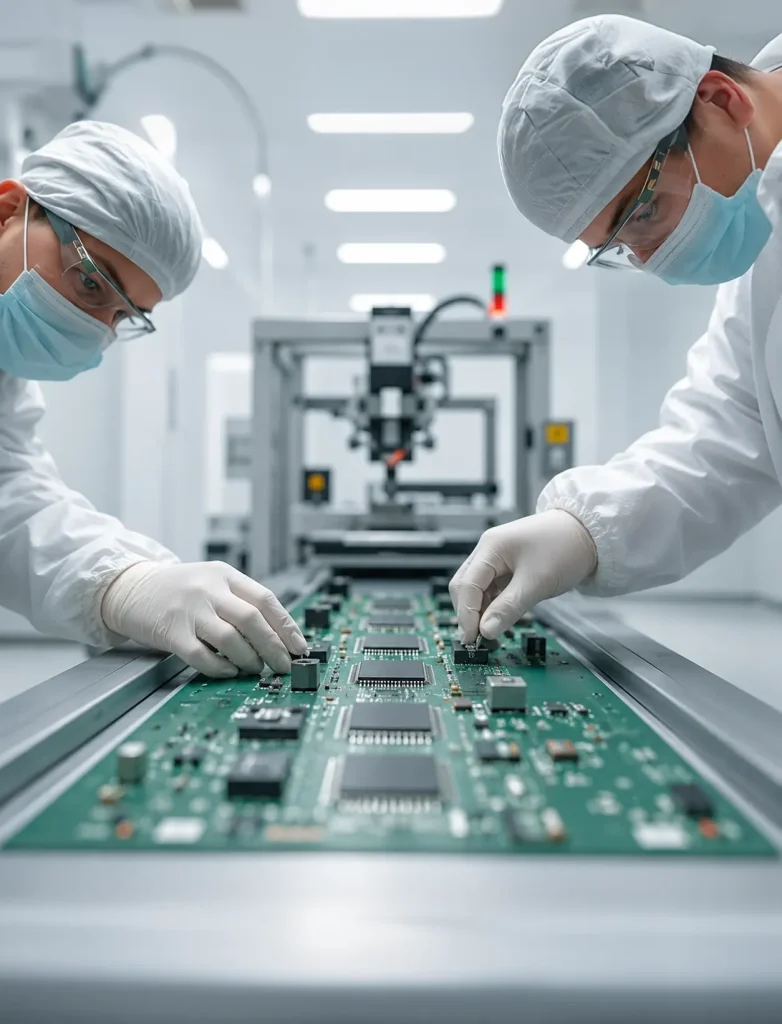
The PCB Manufacturing Capability and Process Control section explains how production capacity, equipment capability, and process stability work together to ensure high-quality PCB fabrication. It helps engineers understand how controlled manufacturing environments, advanced automation, and standardized procedures improve yield, reduce variation, and support reliable high-volume and high-complexity PCB production.
1:Production Capacity and Equipment Capability
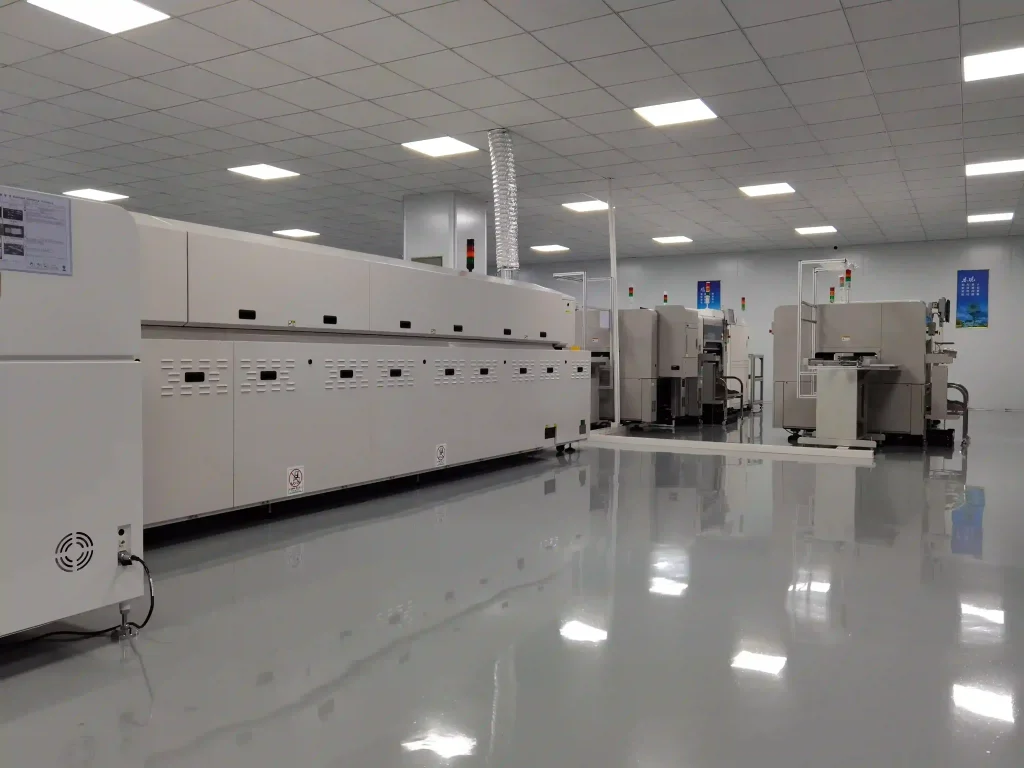
Production capacity and equipment capability focus on SMT lines, drilling systems, imaging accuracy, and automated production flow. This section explains how modern equipment supports high-mix, high-volume PCB manufacturing while maintaining precision, efficiency, and consistency across multilayer and HDI board structures in demanding electronic applications.
2:Process Stability and Yield Optimization
Process stability and yield optimization emphasize consistent manufacturing performance through controlled parameters, statistical process control, and real-time monitoring. This section describes how variation reduction, defect prevention, and continuous process improvement ensure stable output quality, higher yield rates, and reliable delivery for complex PCB fabrication projects.
PCB Quality Assurance and Reliability Systems
The PCB Quality Assurance and Reliability Systems section highlights how inspection, testing, and traceability frameworks ensure consistent product quality. It provides structured knowledge on quality management practices used in modern PCB manufacturing, helping engineers and buyers achieve stable performance and long-term reliability in electronic products.
1:In-Process Quality Monitoring
In-process quality monitoring covers real-time inspection methods such as AOI, SPI, and inline electrical testing to detect defects early in production. This section explains how continuous monitoring improves process control, reduces rework, and ensures that every PCB meets strict quality and performance requirements throughout manufacturing stages.
2:Final Testing and Reliability Validation
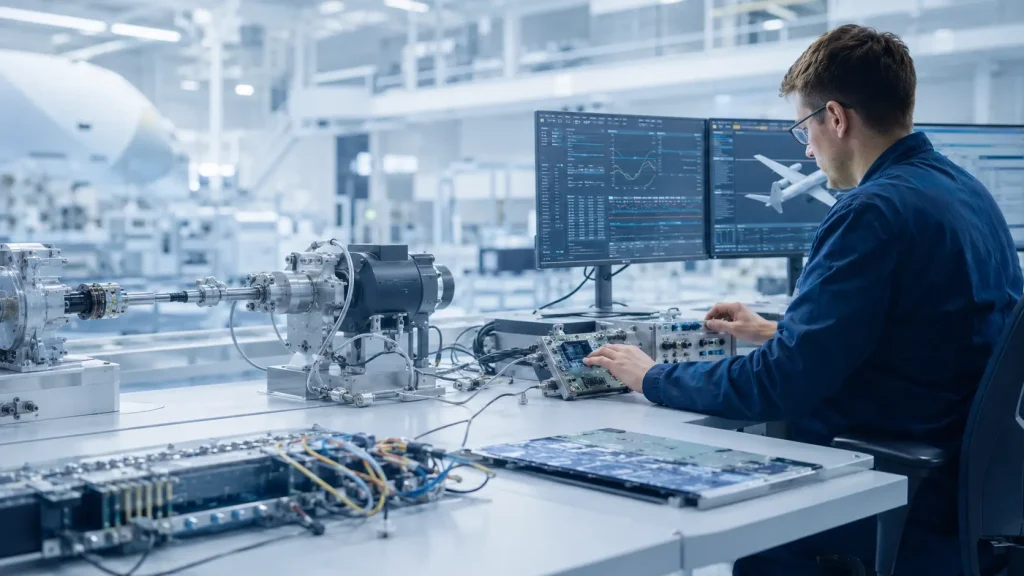
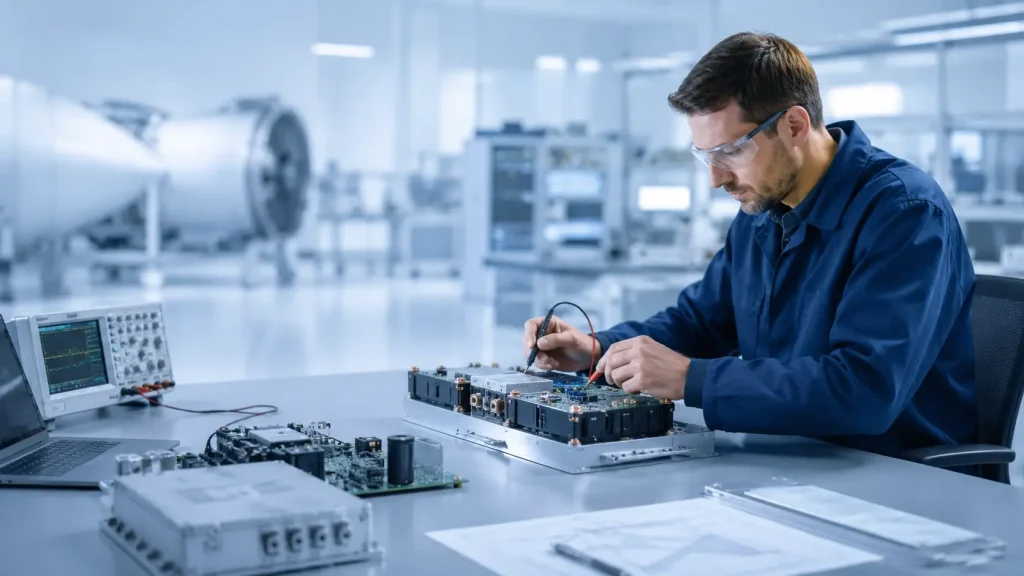
Final testing and reliability validation ensure that completed PCB meet electrical, thermal, and mechanical performance standards. This section includes functional testing, aging tests, and environmental stress screening, explaining how comprehensive validation confirms product durability, supports long-term stability, and meets demanding industrial, automotive, and communication application requirements.