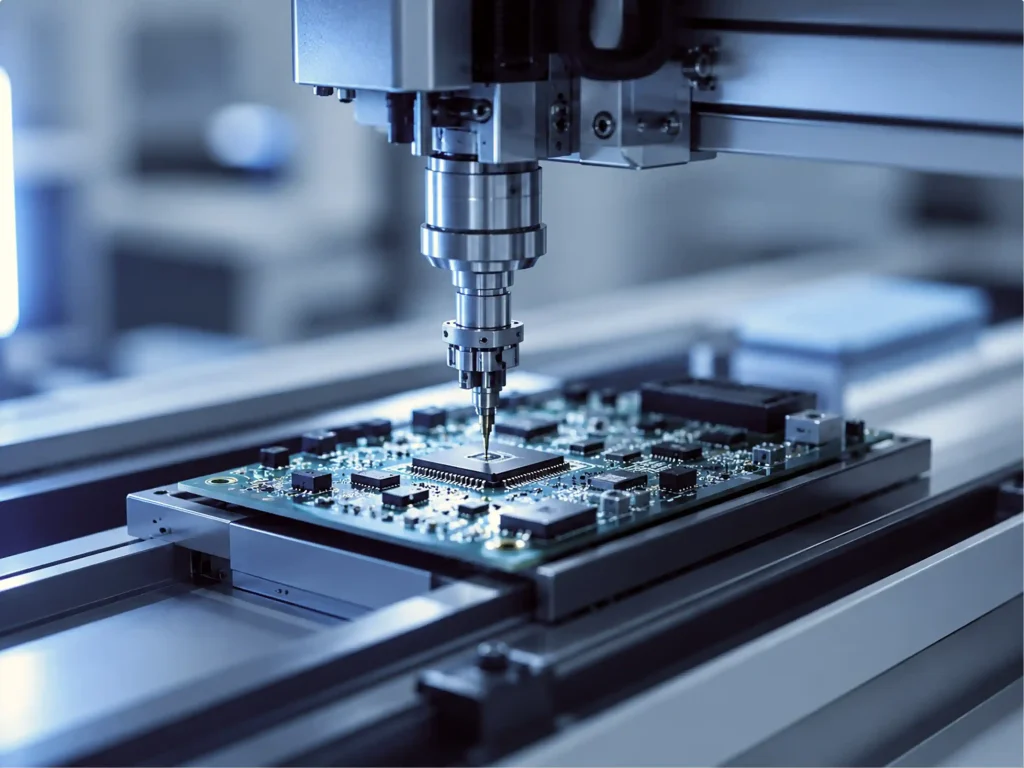
Printed Circuit Board(PCB) Manufacturing Knowledge Base
The Printed Circuit Board (PCB) Manufacturing Knowledge Base provides structured insights into design, materials, fabrication processes, and quality control to support reliable, high-performance electronic production.
PCB Manufacturing Knowledge Base Can Support
The PCB Manufacturing Knowledge Base supports engineers and procurement teams by providing structured guidance on design principles, material selection, fabrication processes, and quality control systems. It helps improve manufacturability, reduce production risks, and ensure stable performance in complex electronic applications.
Through detailed technical articles and process explanations, the knowledge base covers multilayer PCB design, HDI structures, impedance control, and advanced manufacturing techniques. It enables better decision-making, enhances production efficiency, and supports high-reliability electronic product development.
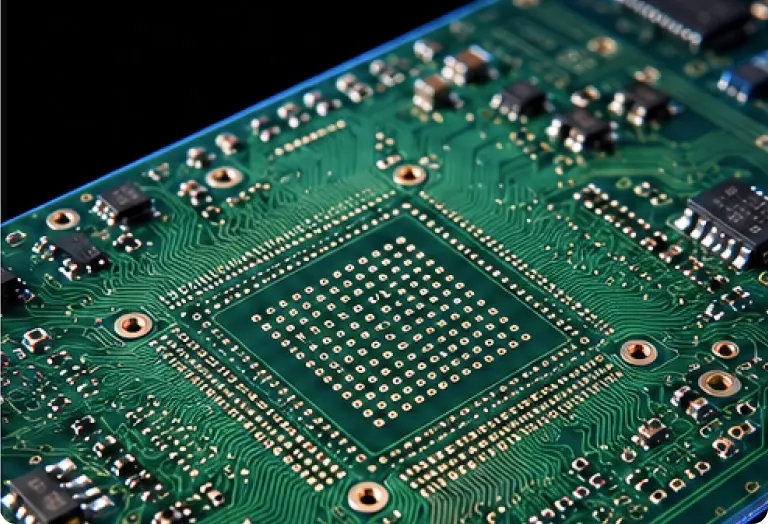
PCB Design and Fabrication Knowledge
The PCB Design and Fabrication Knowledge section provides structured technical insights into layout principles, material selection, and manufacturing processes. It helps engineers optimize design for manufacturability, improve electrical performance, and ensure stable production for complex multilayer and high-reliability PCB applications.
1:Stack-Up and Layer Design
Proper stack-up design is critical for signal integrity, impedance control, and mechanical stability. This section explains how layer arrangement, dielectric materials, and copper distribution influence electrical performance and manufacturability in multilayer and HDI PCB structures.
2:Manufacturing Process Control
PCB manufacturing requires strict process control across drilling, plating, imaging, and etching stages. This section details key process parameters, defect prevention methods, and quality checkpoints that ensure consistent production yield and reliable board performance.
PCB Assembly and Quality Systems
PCB Assembly and Quality Systems knowledge focuses on SMT, through-hole assembly, and inspection processes. It provides guidance on improving assembly accuracy, reducing defects, and ensuring high-reliability electronic products through standardized quality management systems.
1:SMT Assembly Optimization
SMT optimization involves stencil design, solder paste control, placement accuracy, and reflow profiling. This section explains how process tuning and equipment calibration improve yield, reduce defects, and ensure stable performance in high-density electronic assemblies.
2:Inspection and Reliability Testing
Inspection and testing are essential for ensuring PCB assembly quality. This section covers AOI, SPI, X-ray inspection, and functional testing methods, along with traceability systems that guarantee defect detection, process control, and long-term product reliability in demanding applications.