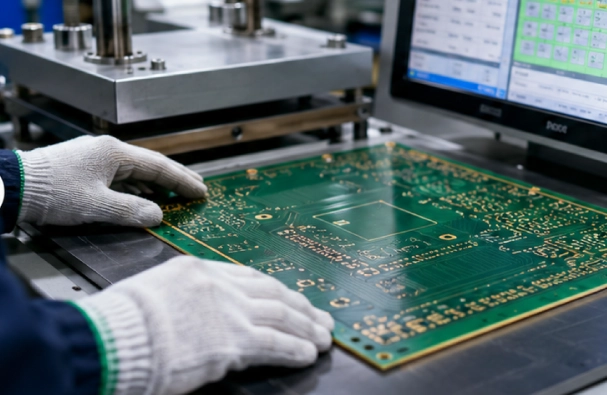
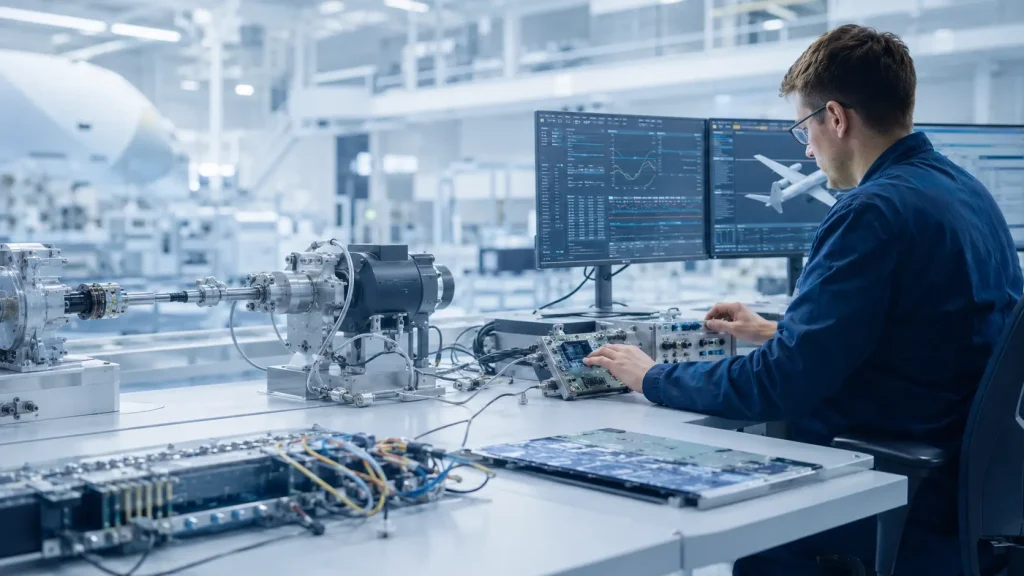
Leading Surface Mount Technology Assembly Services
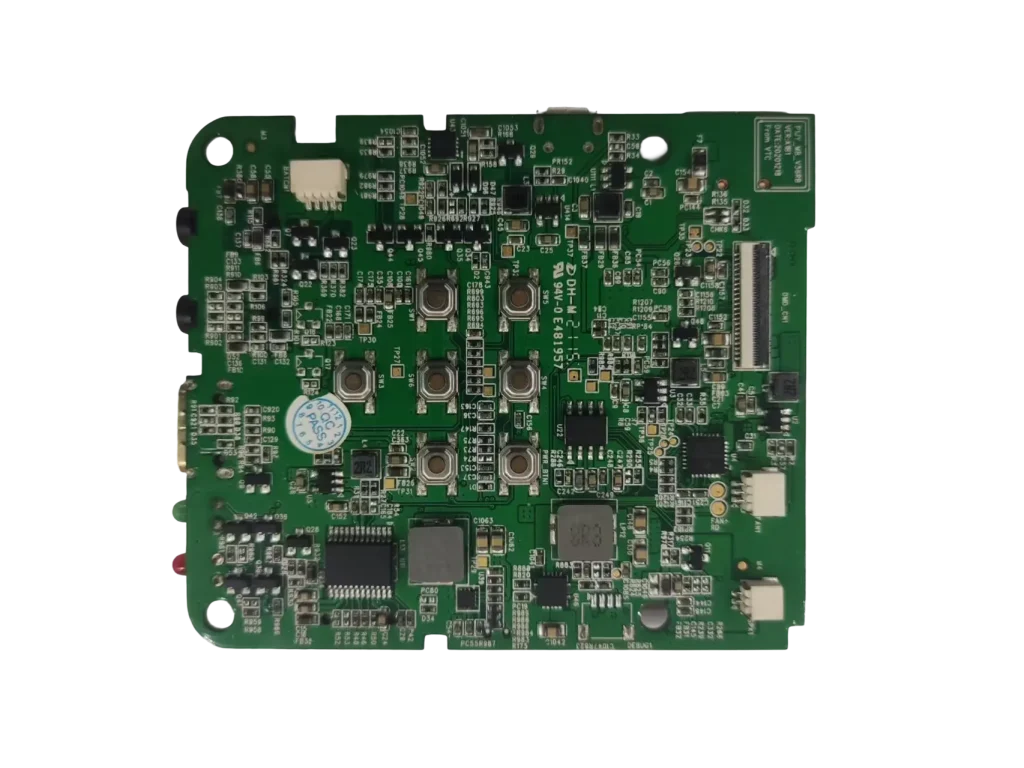
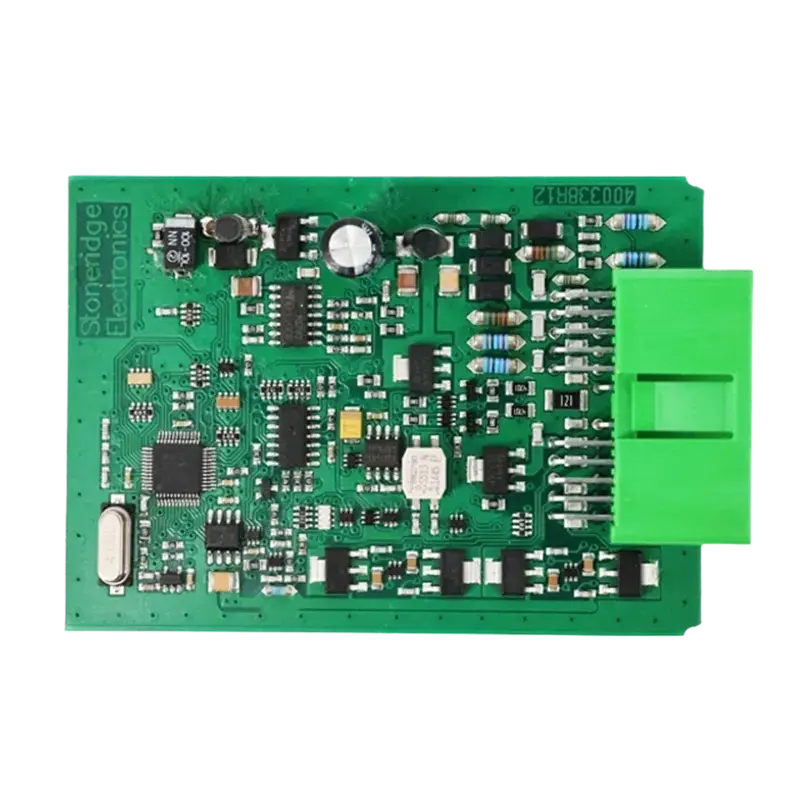
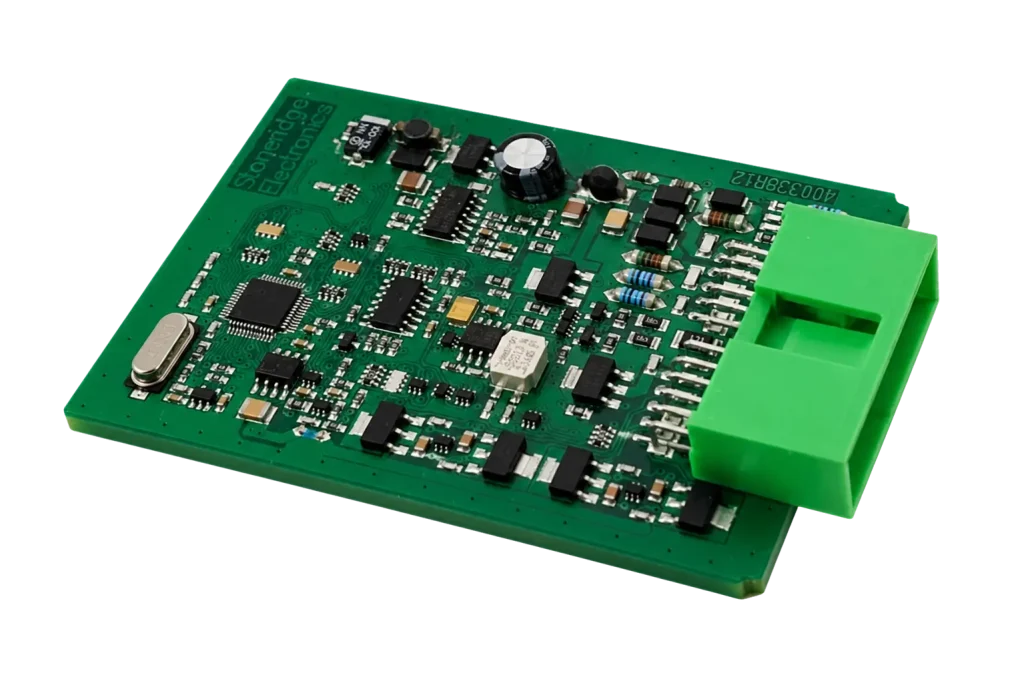
Leading Surface Mount Technology Assembly Services provide high-precision SMT production with automated placement, stable soldering quality, and fast turnaround for complex and high-density PCB assemblies.
SMT Assembly Core Advantage delivers high-speed automated placement, precise soldering control, and stable process consistency, enabling efficient production of high-density and high-reliability electronic assemblies.
Total In-house Integration
Total In-house Integration in SMT Assembly consolidates PCB fabrication support, SMT production, testing, and final inspection within a controlled workflow, ensuring higher efficiency, stable quality, and reduced delivery risk.
Fully integrated SMT workflow control
Reduced external outsourcing risk
Faster production cycle execution
Improved process traceability
Consistent quality assurance
Advanced and Sufficient Equipment Clusters
Advanced and Sufficient Equipment Clusters in SMT Assembly ensure high-speed automated placement, precise soldering, and stable production capacity, supporting complex PCB builds with consistent quality and efficient throughput.
High-speed SMT placement lines
Advanced reflow soldering systems
Automated AOI inspection equipment
Integrated SPI and testing systems
Stable multi-line production capacity
Extensive Experience in High-complexity Projects
Extensive Experience in High-complexity Projects in SMT Assembly enables reliable production of dense, multilayer, and mixed-technology PCB, ensuring precise placement, stable solder quality, and consistent performance under strict requirements.
Complex multilayer PCB assembly
Mixed SMT and THT integration
High-density component placement
Strict process control standards
Proven high-reliability delivery
Capabilities
SMT Assembly Capabilities
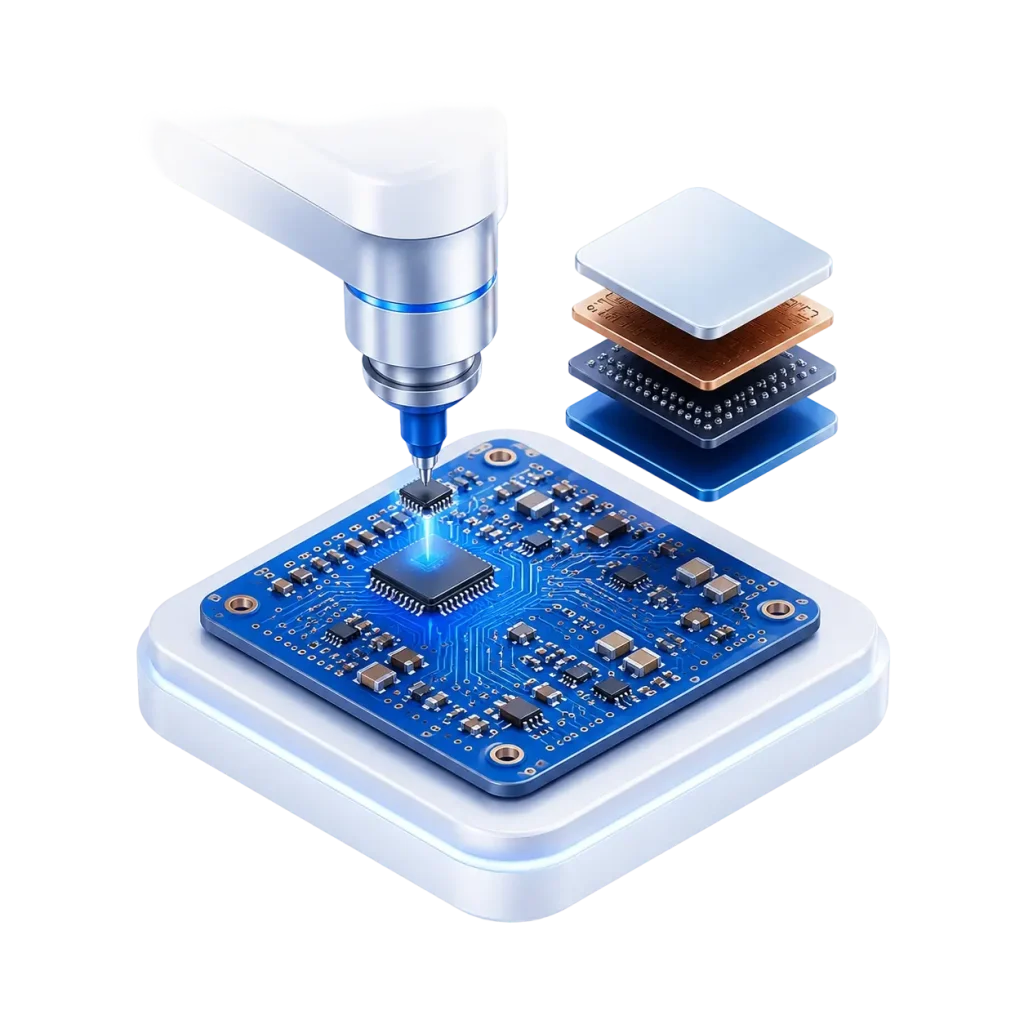
SMT Assembly Capabilities include high-speed pick-and-place, fine-pitch component mounting, BGA assembly, and precision reflow soldering, ensuring reliable and efficient production for complex PCB designs with stable electrical performance.
Manufacturing Process
SMT Assembly Process
Our SMT assembly process integrates stencil printing, solder paste inspection, precision component placement, reflow soldering, and quality inspection to ensure consistent assembly accuracy and reliable product performance.
Material Preparation
SMT Assembly Process begins with material preparation, including PCB inspection, component verification, and stencil setup to ensure accurate and stable production input.
01
Solder Paste Printing
SMT Assembly Process uses precise solder paste printing to control volume and alignment, ensuring consistent deposition quality for high-density and fine-pitch PCB assemblies.
02
Component Placement
SMT Assembly Process applies high-speed pick-and-place machines for accurate component positioning, ensuring stable electrical performance and reliable assembly consistency.
03
Reflow Soldering
SMT Assembly Process completes with controlled reflow soldering, ensuring strong solder joints, stable interconnections, and high reliability for complex electronic assemblies.
04
Manufacturing Capability
Production Capacity Table
Production Capacity Table for Prototype Assembly summarizes SMT lines, daily output, supported PCB types, and component range, ensuring transparent capability planning and efficient prototype manufacturing management.
SMT Assembly Quality Control ensures strict inspection across solder printing, placement, and reflow processes, delivering stable electrical performance and consistent high-reliability PCB assembly quality.
Core Quality Control Methods
Core Quality Control Methods in SMT Assembly combine SPI, AOI, X-ray inspection, and functional testing to ensure solder accuracy, component placement precision, and stable electrical performance across all PCB assemblies.
SPI Inspection
Core Quality Control Methods in SMT Assembly use SPI inspection to monitor solder paste volume and alignment, ensuring consistent printing quality and reducing defects in fine-pitch and high-density PCB production.
AOI Inspection
Core Quality Control Methods in SMT Assembly apply AOI inspection to detect placement errors, polarity issues, and solder defects, ensuring high accuracy and stable assembly quality across complex PCB builds.
X-ray Inspection
Core Quality Control Methods in SMT Assembly utilize X-ray inspection to analyze hidden solder joints and BGA connections, ensuring internal defect detection and reliable electrical integrity in advanced assemblies.
Functional Testing
Core Quality Control Methods in SMT Assembly include functional testing to verify circuit performance, signal integrity, and electrical stability, ensuring each PCB assembly meets design and reliability requirements.
Certifications
Certifications for SMT Assembly demonstrate compliance with ISO quality management systems, IPC-A-610 standards, and RoHS requirements, ensuring controlled processes, traceable production, and consistent high-reliability PCB assembly output for global customers.
IS0 9001:2015
stepping stone
The most fundamental and universally applicable quality management systemcertification.
IPC A 610
Industry Standard
The most authoritative international standard for the acceptance of electronic assembly and PCB manufacturing.
IATF 16949:2016
Automotive-grade (high gold content)
Demonstrate the capability to manufacture highly reliable automotive PCB.
ISO 13485
Medical-grade (high gold content)
Demonstrate the capability to manufacture high-precision PCB for medical equipment.
ISO14001:2015
Environmental system
Green factory certification is highly valued by major manufacturers and overseas clients.
UL
Safety Certification
Mandatory safety and flame-retardant standards for entering the North American market.
RoHS
Environmental regulations
Restriction of Hazardous Substances (RoHS) Directive (a standard requirement for electronic products exported to the EU).
REACH
Environmental regulations
EU Regulation on the Registration, Evaluation, Authorisation and Restriction of Chemicals.
IS0 9001:2015
01
IPC A 610
02
IATF 16949:2016
03
ISO 13485
04
ISO14001:2015
05
UL
06
RoHS
07
REACH
08
Applications
SMT Assembly Application
SMT Assembly Application supports consumer electronics, automotive systems, industrial controls, and medical devices, delivering high-density PCB assembly with stable performance, fast iteration, and reliable electrical functionality.
01
Consumer Electronics
02
Automotive Systems
03
Telecommunications
04
Medical Devices
05
Industrial Control
01
Consumer Electronics
SMT Assembly Application in consumer electronics enables high-density PCB assembly for smartphones, wearables, and smart devices, ensuring compact design, stable signal performance, and fast product iteration cycles.
02
Automotive Systems
SMT Assembly Application in automotive systems supports reliable PCB assembly for ECUs, sensors, and control modules, ensuring durability, thermal stability, and consistent performance in demanding environments.
03
Telecommunications
SMT Assembly Application in telecommunication supports high-speed PCB assembly for networking and communication devices, ensuring signal integrity, low loss transmission, and reliable system connectivity.
04
Medical Devices
SMT Assembly Application in medical devices ensures high-reliability PCB assembly for diagnostic and monitoring equipment, meeting strict quality standards with stable electrical performance and safety compliance.
05
Industrial Control
SMT Assembly Application in industrial control delivers stable PCB assemblies for automation equipment and control boards, ensuring precise signal transmission, long-term reliability, and efficient system operation.
FAQ
SMT Assembly FAQ
SMT Assembly FAQ covers lead time, component sourcing, MOQ flexibility, process capability, and testing methods, helping customers understand production flow, quality standards, and feasibility for different PCB assembly requirements.
Q1
What is the typical lead time for SMT Assembly?
Lead time depends on PCB complexity, component availability, and order volume, but most SMT projects are completed within a few days for prototype builds and efficiently scheduled for mass production.
Q2
Do you support low volume SMT production?
Yes, SMT Assembly supports both prototype and low-volume production with flexible MOQ options, making it ideal for R&D validation and early-stage product development.
Q3
What quality control methods are used in SMT Assembly?
We use SPI, AOI, X-ray inspection, and functional testing to ensure solder accuracy, component placement precision, and stable electrical performance across all assemblies.
Q4
Can you provide component sourcing for SMT projects?
Yes, we offer full or partial component sourcing services with a stable supply chain, ensuring fast procurement, cost efficiency, and reliable material availability for SMT assembly projects.
Solutions
SMT Assembly Solutions
SMT Assembly Solutions provide end-to-end PCB manufacturing services including component sourcing, SMT placement, reflow soldering, and testing, ensuring fast turnaround, stable quality, and reliable electronic performance.
LT CIRCUIT Knowledge Base delivers practical PCB and PCBA knowledge, covering fabrication processes, assembly techniques, materials, and quality control for better engineering decisions.