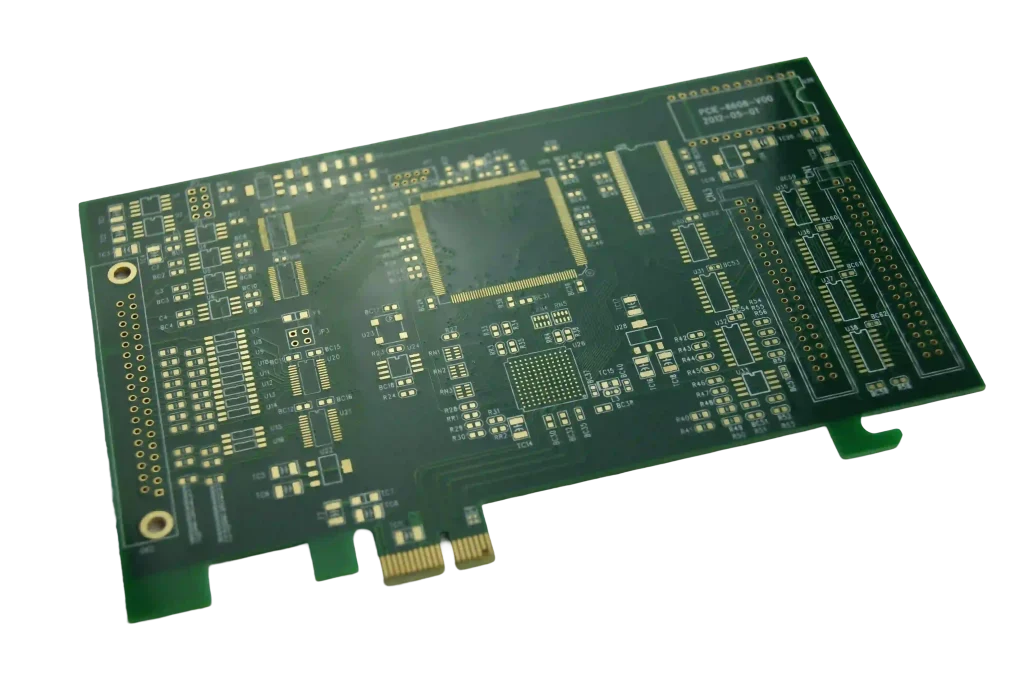
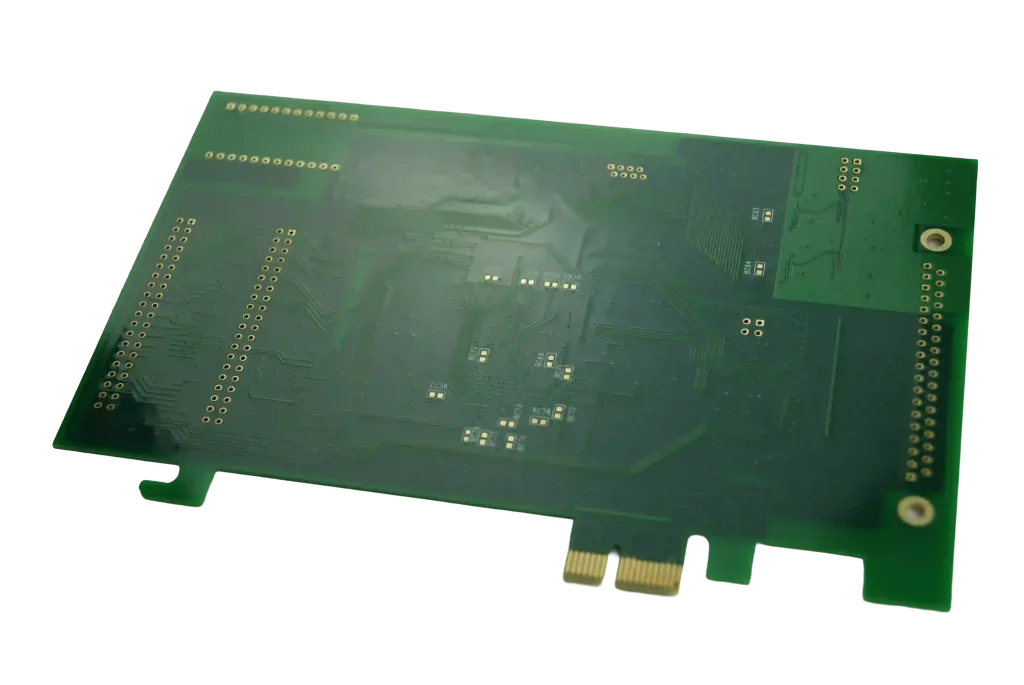
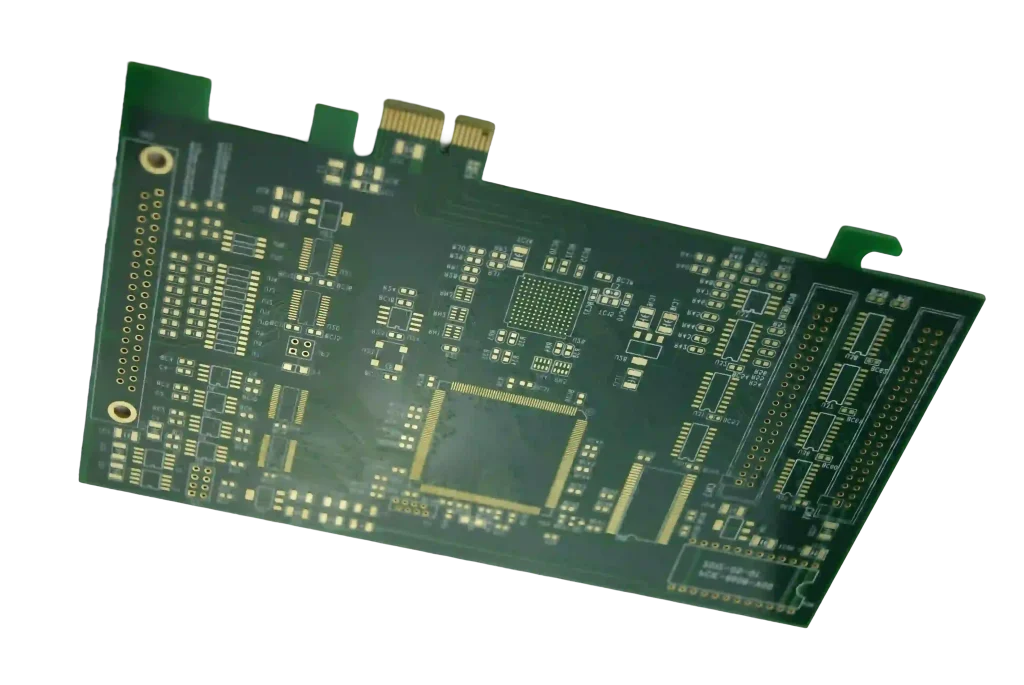
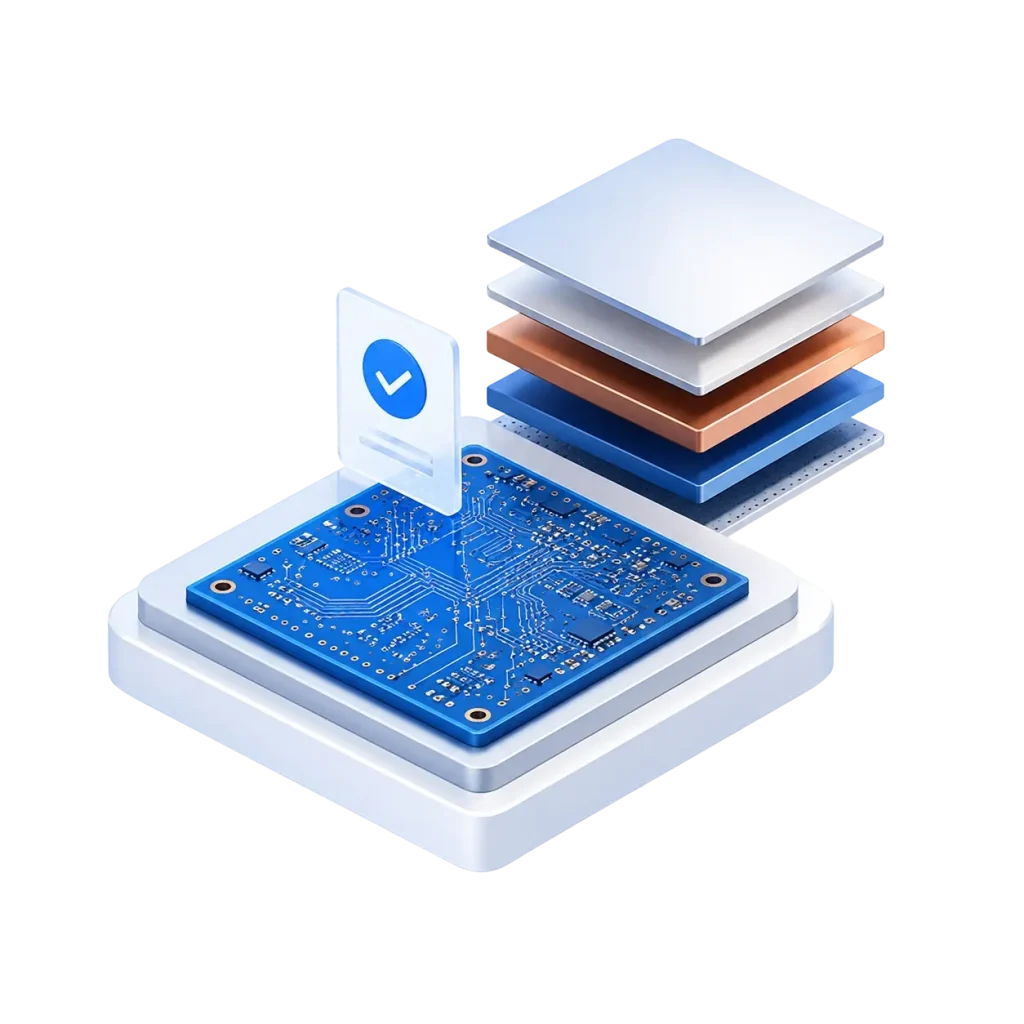
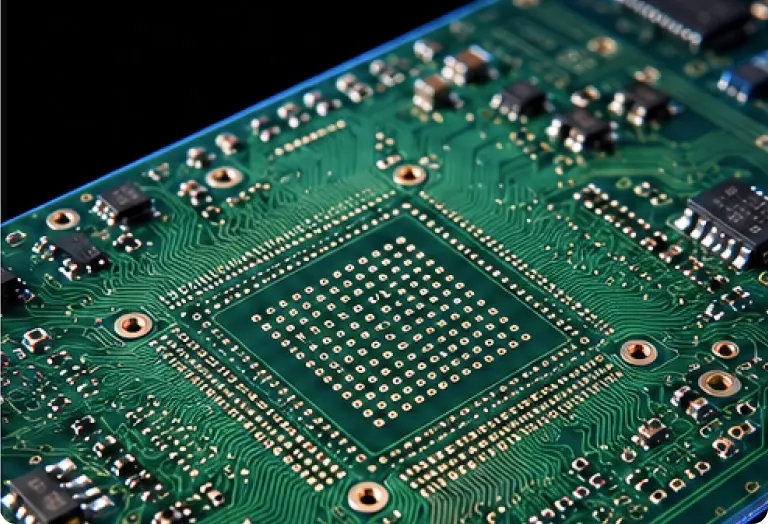
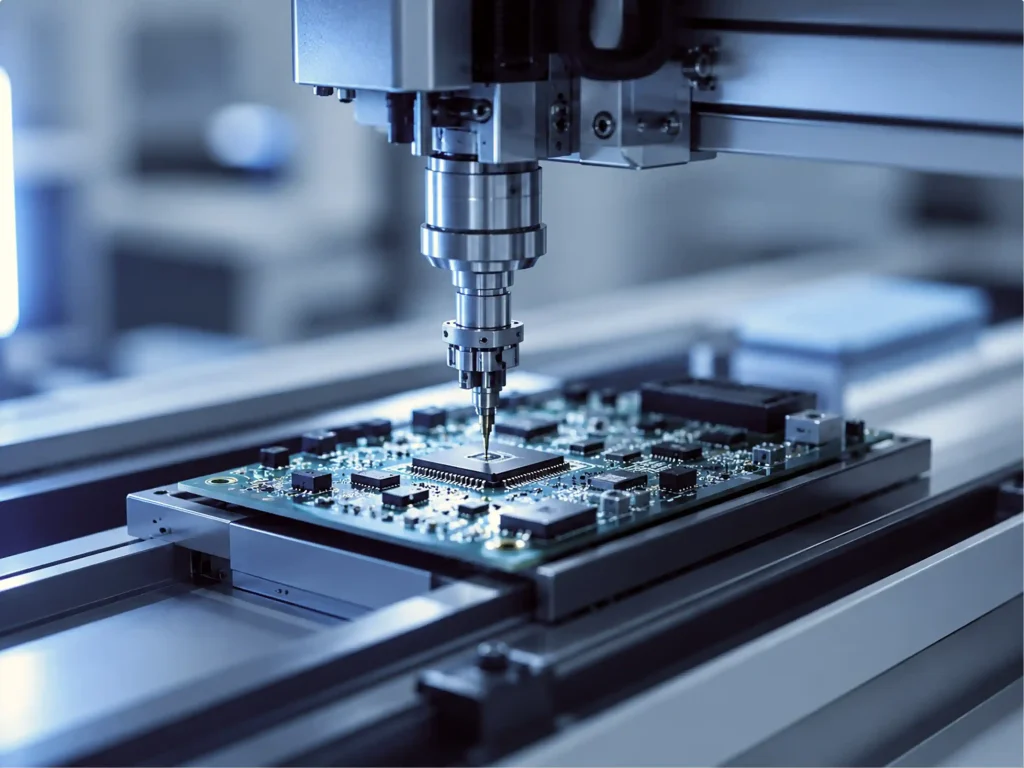
Multilayer PCB Manufacturing Advantage ensures precise layer alignment, stable impedance control, and reliable interconnection for high-density electronic designs and complex circuit applications.
Precision Control
Precision Control in multilayer PCB manufacturing ensures accurate layer alignment, stable impedance, and consistent electrical performance throughout complex stacking structures for reliable high-density applications.
Accurate layer alignment control
Stable impedance consistency
Reliable electrical performance
Tight process tolerance control
High-density stack-up stability
Delivery Capability
Delivery Capability in multilayer PCB manufacturing ensures efficient production scheduling, stable process control, and reliable lead time management to support both prototype and mass production requirements.
Stable lead time management
Flexible production scheduling
Fast prototype support
Scalable mass production capacity
Reliable on-time delivery
Process Capability
Process Capability in multilayer PCB manufacturing enables stable stack-up construction, precise drilling, and controlled lamination processes to ensure consistent electrical performance and high-reliability circuit structures.
Stable stack-up construction control
Precise drilling accuracy
Controlled lamination process
Consistent electrical performance
High-reliability manufacturing capability
Production Excellence
Advanced Multilayer PCB Production Excellence
Advanced Multilayer PCB Production Excellence ensures precise layer stacking, controlled impedance, and stable interconnection performance for complex high-density electronic applications.
High Multi-layer Alignment
High Multi-layer Alignment ensures precise layer registration in multilayer PCB for stable electrical performance.
01
Laser Direct Imaging
Laser Direct Imaging enables precise pattern transfer in multilayer PCB, ensuring fine lines and stable accuracy.
02
Solder Mask Spraying
Solder Mask Spraying ensures uniform coating on multilayer PCB, protecting circuits and improving insulation reliability.
Quality Control of Multilayer PCB ensures strict inspection of lamination, drilling, and impedance performance using AOI, X-ray, and electrical testing to guarantee stable and reliable circuit quality.
Quality Control Equipment
Quality Control Equipment for multilayer PCB includes AOI systems, X-ray inspection, and electrical testing to ensure accurate layer alignment, defect detection, and stable production quality.
TDR Testing
TDR testing is used in multilayer PCB quality control to verify impedance consistency, detect signal discontinuities, and ensure stable electrical performance across complex layer structures.
Vector Network Analysis
Vector Network Analyzer (VNA) testing verifies impedance, insertion loss, and return loss to evaluate signal integrity and ensure multilayer PCB meet high-frequency performance requirements.
Automated Optical Inspection
Automated Optical Inspection (AOI) is applied in multilayer PCB production to detect surface defects, misalignment, and pattern issues, ensuring consistent quality and reliable circuit performance.
X-ray Inspection
X-ray inspection is used in multilayer PCB manufacturing to verify internal vias, solder joints, and layer alignment, ensuring hidden defects are detected and overall electrical reliability is maintained.
Quality Control Equipment
Quality Standard Certificates ensure multilayer PCB manufacturing compliance with ISO, IPC, and RoHS requirements, guaranteeing process consistency, material traceability, and reliable electrical performance for global electronic applications.
IS0 9001:2015
stepping stone
The most fundamental and universally applicable quality management systemcertification.
IPC A 610
Industry Standard
The most authoritative international standard for the acceptance of electronic assembly and PCB manufacturing.
IATF 16949:2016
Automotive-grade (high gold content)
Demonstrate the capability to manufacture highly reliable automotive PCB.
ISO 13485
Medical-grade (high gold content)
Demonstrate the capability to manufacture high-precision PCB for medical equipment.
ISO14001:2015
Environmental system
Green factory certification is highly valued by major manufacturers and overseas clients.
UL
Safety Certification
Mandatory safety and flame-retardant standards for entering the North American market.
RoHS
Environmental regulations
Restriction of Hazardous Substances (RoHS) Directive (a standard requirement for electronic products exported to the EU).
REACH
Environmental regulations
EU Regulation on the Registration, Evaluation, Authorisation and Restriction of Chemicals.
IS0 9001:2015
01
IPC A 610
02
IATF 16949:2016
03
ISO 13485
04
ISO14001:2015
05
UL
06
RoHS
07
REACH
08
Applications
Multilayer PCB Application
Multilayer PCB Application covers telecommunications, automotive electronics, industrial control, computing systems, and medical devices, delivering stable performance for complex high-density circuits.
01
Telecom Systems
02
Automotive Electronics
03
Computing Systems
04
Medical Devices
05
Industrial Control
01
Telecom Systems
Multilayer PCB applications in telecom systems enable stable signal transmission, controlled impedance routing, and reliable multilayer structures for base stations, networking equipment, and communication modules.
02
Automotive Electronics
Multilayer PCB applications in automotive electronics support ADAS, control units, and infotainment systems, ensuring high reliability, thermal stability, and consistent electrical performance in harsh environments.
03
Computing Systems
Multilayer PCB applications in computing systems deliver high-density interconnects, stable signal integrity, and efficient power distribution for servers, processors, and high-performance computing platforms.
04
Medical Devices
Multilayer PCB applications in medical devices ensure precise electrical performance and high reliability for diagnostic equipment, imaging systems, and patient monitoring devices in critical healthcare applications.
05
Industrial Control
Multilayer PCB applications in industrial control provide stable data processing and noise resistance for PLCs, automation systems, and precision control equipment used in advanced manufacturing environments.
FAQ
Multilayer PCB FAQ
Multilayer PCB FAQ provides clear answers on layer stack-up design, impedance control, material selection, manufacturing limits, and testing methods to support efficient engineering communication and production planning.
Q1
What is the typical layer count for multilayer PCB?
Multilayer PCB typically range from 4 to over 20 layers depending on design complexity and application requirements, supporting high-density interconnect structures.
Q2
What materials are used in multilayer PCB manufacturing?
Common materials include FR4, high-Tg laminates, and low-loss materials selected based on electrical performance, thermal stability, and reliability requirements.
Q3
How is quality ensured in multilayer PCB production?
Standard FR4, high-Tg materials, and low-loss laminates are used based on electrical performance, thermal requirements, and application environments.
Q4
What industries use multilayer PCB?
Multilayer PCB are widely used in telecom, automotive electronics, industrial control, computing systems, and medical devices requiring complex and reliable circuitry.
Solutions
Multilayer PCB Solutions
Multilayer PCB Solutions provide high-density interconnect structures, precise stack-up control, and stable electrical performance for complex electronic systems across telecom, automotive, industrial, and computing applications.
LT CIRCUIT Knowledge Base delivers practical PCB and PCBA knowledge, covering fabrication processes, assembly techniques, materials, and quality control for better engineering decisions.