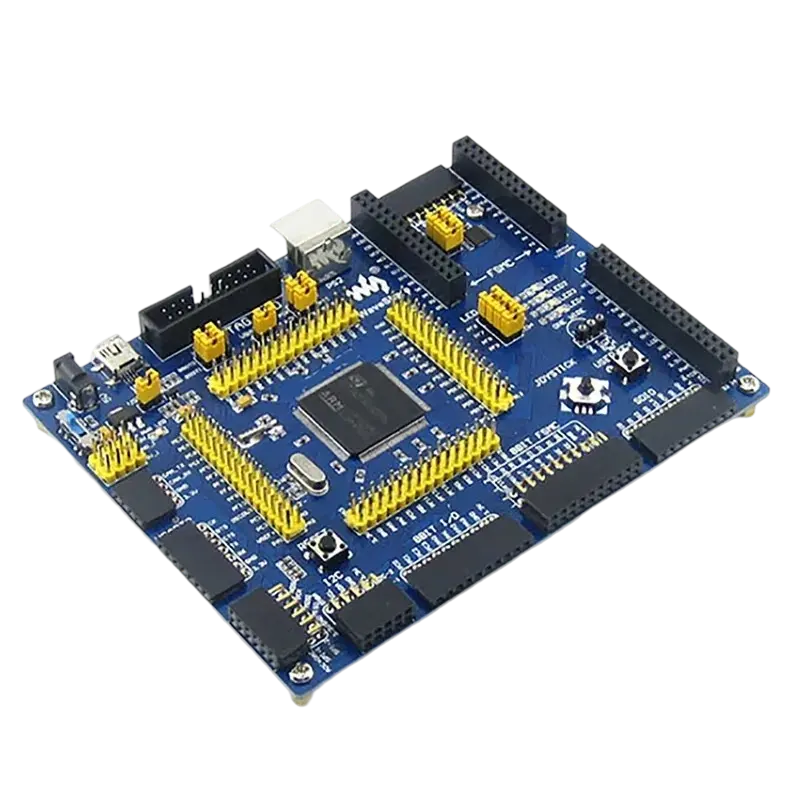
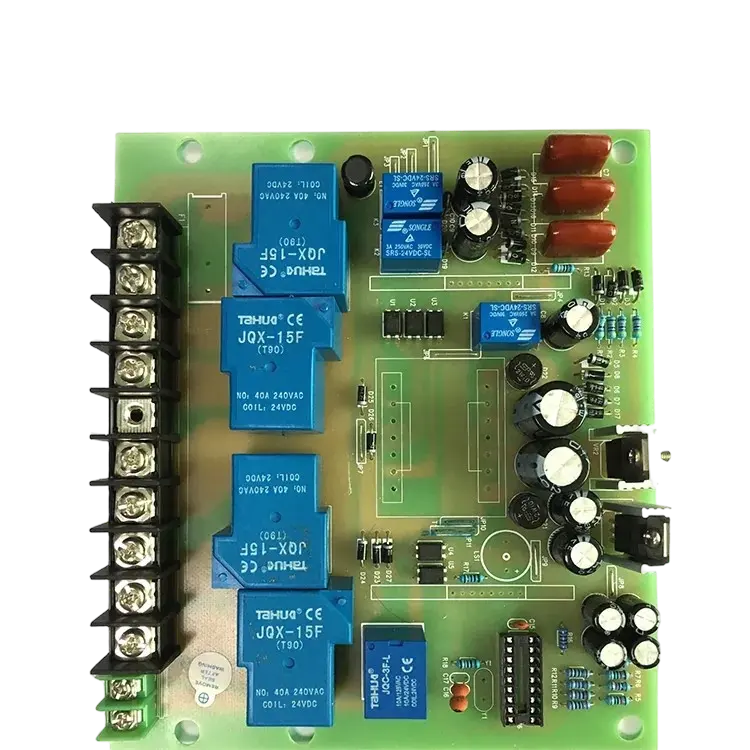
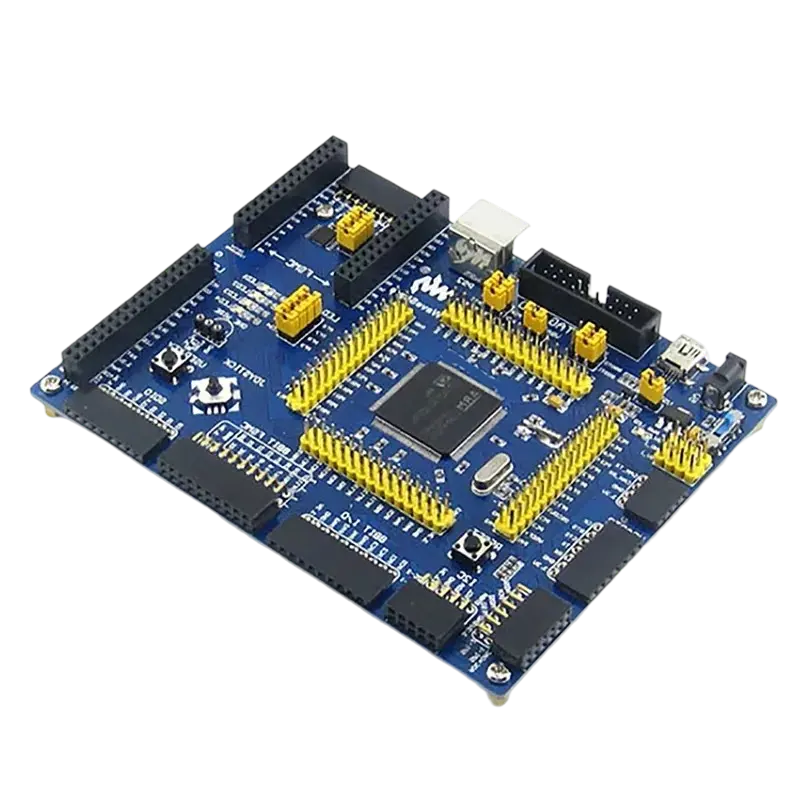
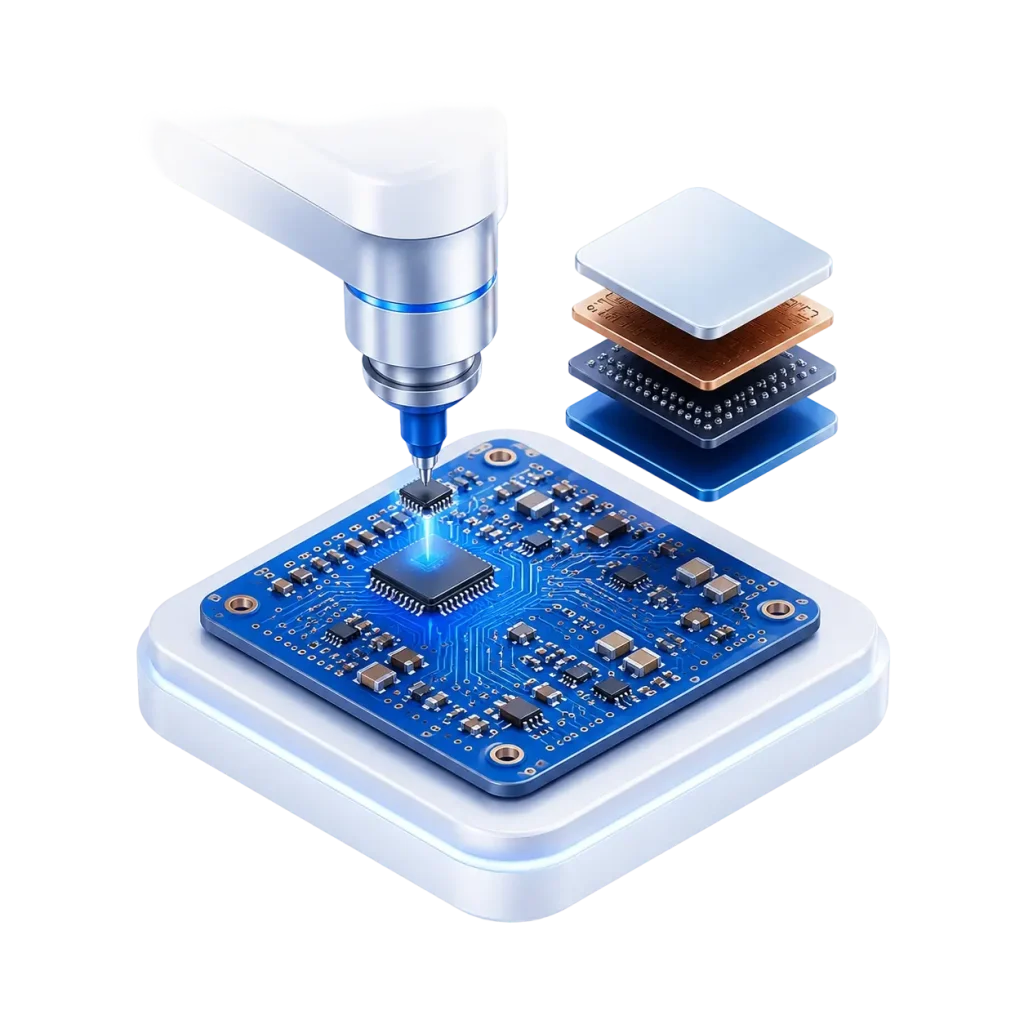
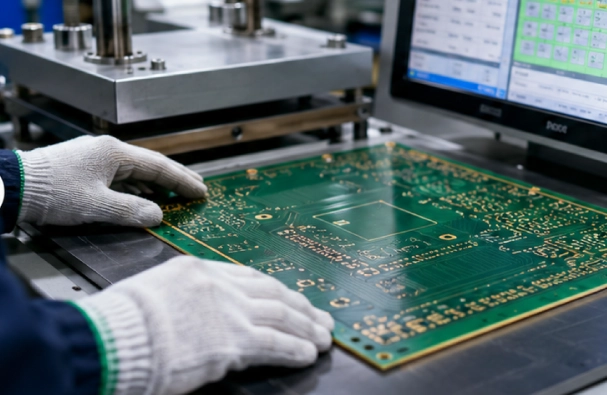
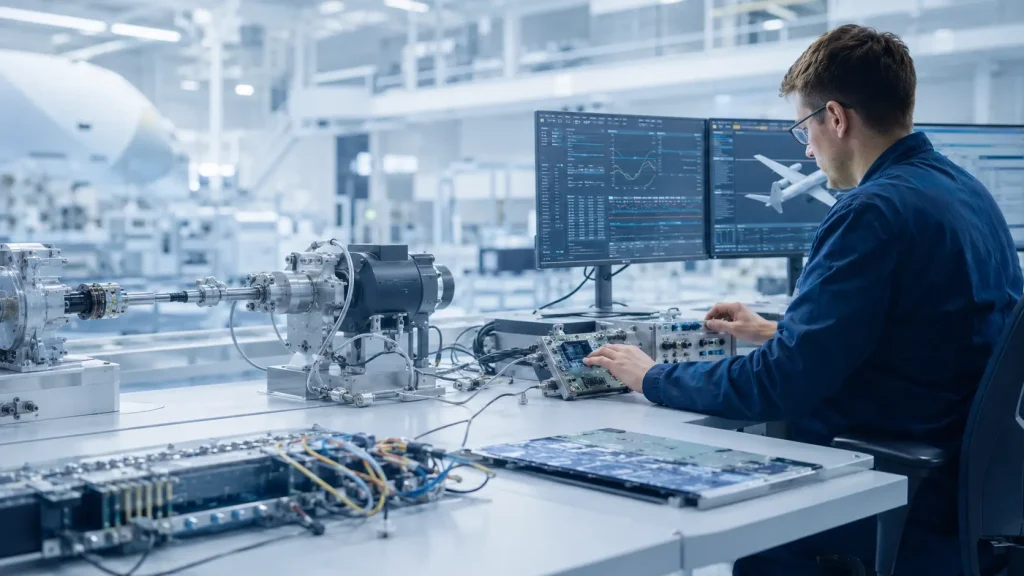
Leading Through-Hole Assembly End to End Services deliver precise component insertion, strong solder joints, and reliable PCB assembly for durable electronic products requiring high mechanical stability and long-term performance.
Through-Hole Assembly Core Advantage delivers strong mechanical bonding, high reliability solder joints, and stable electrical performance, making it ideal for complex and durable PCB applications requiring long-term stability.
Total In-house Integration
Total In-house Integration in Through-Hole Assembly consolidates insertion, wave soldering, inspection, and testing within a controlled process flow, ensuring stable quality, faster delivery, and reduced outsourcing risks.
Fully integrated production process
Reduced external outsourcing risk
Faster assembly turnaround time
Improved process traceability
Consistent quality control system
Advanced and Sufficient Equipment Clusters
Advanced and Sufficient Equipment Clusters in Through-Hole Assembly ensure precise component insertion, stable wave soldering, and consistent inspection performance, supporting high-quality PCB assembly with efficient and scalable production capacity.
Automated insertion systems
Advanced wave soldering lines
Precision inspection equipment
Stable multi-line production capacity
High-efficiency assembly workflow
Extensive Experience in High-complexity Projects
Extensive Experience in High-complexity Projects in Through-Hole Assembly enables reliable handling of mixed technologies, dense component layouts, and strict mechanical requirements, ensuring stable solder quality and consistent PCB performance.
Mixed SMT and THT integration
Complex multilayer PCB assembly
High-reliability soldering control
Industrial-grade applications support
Proven engineering experience
Capabilities
Through-Hole Assembly Capabilities
Through-Hole Assembly Capabilities include precision component insertion, wave soldering, selective soldering, and post-assembly testing, ensuring strong mechanical bonding and stable electrical performance for reliable PCB production.
Manufacturing Process
Through-Hole Assembly Process
Our through-hole assembly process combines precise component insertion, wave or selective soldering, manual inspection, and electrical verification to ensure strong solder joints, stable connections, and reliable performance.
Component Preparation
Through-Hole Assembly Process starts with component preparation, including inspection, lead forming, and PCB verification to ensure accurate assembly input and stable production quality.
01
Component Insertion
Through-Hole Assembly Process uses precise manual or automated insertion to place components into drilled holes, ensuring correct orientation and strong mechanical alignment.
02
Wave Soldering
Through-Hole Assembly Process applies controlled wave soldering to form reliable solder joints, ensuring strong electrical connections and durable mechanical bonding across PCB assemblies.
03
Post Assembly Testing
Through-Hole Assembly Process includes post-assembly testing to verify electrical performance, solder integrity, and overall reliability before final product delivery.
04
Manufacturing Capability
Production Capacity Table
Production Capacity Table for Through-Hole Assembly provides clear visibility of insertion capability, soldering capacity, PCB complexity range, and daily output, enabling efficient planning and stable delivery scheduling.
Through-Hole Assembly Quality Control ensures strict inspection of component insertion, solder joints, and electrical performance, delivering stable mechanical strength and consistent high-reliability PCB assembly results.
Core Quality Control Methods
Core Quality Control Methods in Through-Hole Assembly include incoming inspection, insertion verification, wave solder monitoring, and final electrical testing, ensuring stable joints and reliable PCB performance across all production stages.
Incoming Inspection
Core Quality Control Methods in Through-Hole Assembly begin with incoming inspection of components and PCB, ensuring correct specifications, defect-free materials, and stable foundation for reliable assembly production.
Insertion Control
Core Quality Control Methods in Through-Hole Assembly apply strict insertion control to verify component orientation, positioning accuracy, and hole alignment, ensuring strong mechanical fit and stable assembly quality.
Wave Solder Monitoring
Core Quality Control Methods in Through-Hole Assembly include wave solder monitoring to control temperature, solder flow, and dwell time, ensuring consistent solder joints and reliable electrical and mechanical performance.
Electrical Testing
Core Quality Control Methods in SMT Assembly include functional testing to verify circuit performance, signal integrity, and electrical stability, ensuring each PCB assembly meets design and reliability requirements.
Certifications
Certifications for Through-Hole Assembly demonstrate compliance with ISO quality management systems, IPC-A-610 workmanship standards, and RoHS requirements, ensuring controlled processes, full traceability, and reliable PCB assembly quality for global applications.
IS0 9001:2015
stepping stone
The most fundamental and universally applicable quality management systemcertification.
IPC A 610
Industry Standard
The most authoritative international standard for the acceptance of electronic assembly and PCB manufacturing.
IATF 16949:2016
Automotive-grade (high gold content)
Demonstrate the capability to manufacture highly reliable automotive PCB.
ISO 13485
Medical-grade (high gold content)
Demonstrate the capability to manufacture high-precision PCB for medical equipment.
ISO14001:2015
Environmental system
Green factory certification is highly valued by major manufacturers and overseas clients.
UL
Safety Certification
Mandatory safety and flame-retardant standards for entering the North American market.
RoHS
Environmental regulations
Restriction of Hazardous Substances (RoHS) Directive (a standard requirement for electronic products exported to the EU).
REACH
Environmental regulations
EU Regulation on the Registration, Evaluation, Authorisation and Restriction of Chemicals.
IS0 9001:2015
01
IPC A 610
02
IATF 16949:2016
03
ISO 13485
04
ISO14001:2015
05
UL
06
RoHS
07
REACH
08
Applications
Through-Hole Assembly Application
Through-Hole Assembly Application covers industrial control, automotive systems, power electronics, and communication equipment, delivering strong mechanical stability and reliable electrical performance for demanding PCB environments.
01
Power Supply Units
02
Automotive Electronics
03
Communication Equipment
04
Medical Devices
05
Industrial Control Systems
01
Power Supply Units
Through-Hole Assembly Application in power supply units ensures durable PCB assembly for converters, inverters, and power modules, providing strong mechanical bonding and stable electrical conductivity under high-load conditions.
02
Automotive Electronics
Through-Hole Assembly Application in automotive electronics supports high-reliability PCB assembly for power modules, ECUs, and safety systems, ensuring vibration resistance, thermal stability, and consistent electrical performance.
03
Communication Equipment
Through-Hole Assembly Application in communication equipment enables reliable PCB assembly for networking devices and transmission systems, ensuring signal stability, strong connections, and consistent performance in demanding environments.
04
Medical Devices
Through-Hole Assembly Application in medical devices provides high-precision PCB assembly for diagnostic and monitoring equipment, ensuring safety compliance, stable electrical output, and long-term reliability in critical applications.
05
Industrial Control Systems
Through-Hole Assembly Application in industrial control systems delivers robust PCB assemblies for automation equipment and control boards, ensuring strong mechanical stability, reliable solder joints, and long-term operational performance.
FAQ
Through-Hole Assembly FAQ
Through-Hole Assembly FAQ covers lead time, MOQ flexibility, process capability, testing methods, and material sourcing, helping customers understand production flow, quality control standards, and suitability for different PCB applications.
Q1
What is the typical lead time for Through-Hole Assembly?
Lead time depends on PCB complexity, component availability, and order volume, with prototypes typically completed in a few days and mass production scheduled efficiently.
Q2
Do you support low volume Through-Hole Assembly?
Yes, we support both prototype and low-volume production with flexible MOQ, making it suitable for R&D validation and early-stage product development.
Q3
What quality control methods are used in Through-Hole Assembly?
We apply incoming inspection, insertion verification, wave solder monitoring, and electrical testing to ensure strong joints and stable PCB performance.
Q4
Can you provide component sourcing for Through-Hole projects?
Yes, we offer full or partial component sourcing with a stable supply chain to ensure fast procurement, cost efficiency, and reliable material availability.
Solutions
Through-Hole Assembly Solutions
Through-Hole Assembly Solutions provide end-to-end PCB manufacturing including component sourcing, precision insertion, wave soldering, and testing, ensuring strong mechanical reliability and stable electrical performance for demanding applications.
LT CIRCUIT Knowledge Base delivers practical PCB and PCBA knowledge, covering fabrication processes, assembly techniques, materials, and quality control for better engineering decisions.