Printed Circuit Board(PCB) Assembly Knowledge Base
The Printed Circuit Board (PCB) Assembly Knowledge Base provides structured insights into SMT, through-hole, and mixed assembly processes, helping improve production efficiency, quality control, and reliability for complex electronic manufacturing.
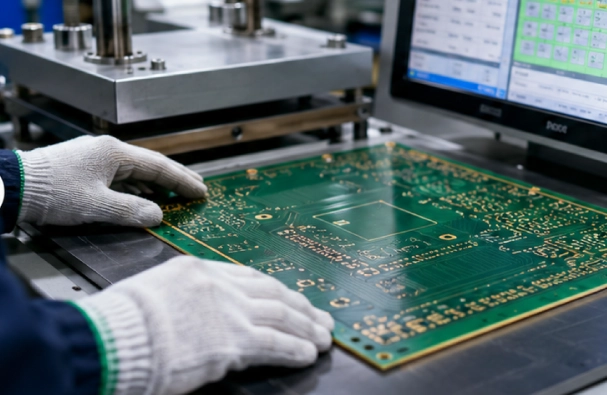


PCB Assembly Knowledge Base Can Support
The PCB Assembly Knowledge Base can support engineers, buyers, and manufacturers by providing structured insights into SMT processes, through-hole assembly, material selection, and production control. It helps improve assembly efficiency, reduce defects, and ensure stable product quality in complex electronic manufacturing projects.
Through detailed technical guidance and process explanations, this knowledge base covers stencil design, solder paste control, reflow optimization, inspection methods, and reliability testing. It supports better decision-making and enhances overall PCB assembly quality and manufacturing consistency for high-performance applications.
PCB Assembly Process Optimization Knowledge
The PCB Assembly Process Optimization Knowledge section provides structured guidance on SMT, through-hole, and mixed assembly processes. It focuses on improving placement accuracy, reducing defects, and enhancing production efficiency through controlled process parameters, material management, and advanced manufacturing practices for high-reliability electronic products.
1:SMT Process Control and Optimization
SMT process control and optimization covers stencil design, solder paste printing, component placement accuracy, and reflow temperature profiling. It explains how each parameter affects yield, defect rate, and consistency, helping engineers stabilize mass production and improve assembly quality in complex, high-density PCB designs.
2:Assembly Defect Prevention Methods
Assembly defect prevention methods focus on reducing common issues such as tombstoning, bridging, misalignment, and insufficient solder. This section explains root cause analysis, process adjustment strategies, and inspection integration using SPI, AOI, and X-ray systems to ensure stable production quality and long-term product reliability in demanding applications.
PCB Assembly Quality and Reliability Systems
The PCB Assembly Quality and Reliability Systems section explains how inspection, testing, and process control work together to ensure stable performance. It helps engineers understand quality assurance frameworks used in SMT production lines, improving defect detection, traceability, and overall manufacturing consistency for complex electronic assemblies.
1:In-Line Inspection and Monitoring
In-line inspection and monitoring includes SPI, AOI, and real-time process tracking systems that ensure every assembly step meets quality standards. This section explains how continuous monitoring improves defect detection, stabilizes production output, and reduces rework rates while maintaining high efficiency in large-scale PCB assembly environments.
2:Functional Testing and Reliability Validation
Functional testing and reliability validation ensure that assembled PCB meet electrical, thermal, and mechanical performance requirements. This section covers FCT, aging tests, and environmental stress testing methods, explaining how validation processes confirm product stability and long-term reliability in industrial, automotive, and communication applications.